

The complete guide
Buying Guide
GPS Tracker Collar: a buying guide
Best GPS Dog Tracker: Keep Your Canine Companion Safe and Sound
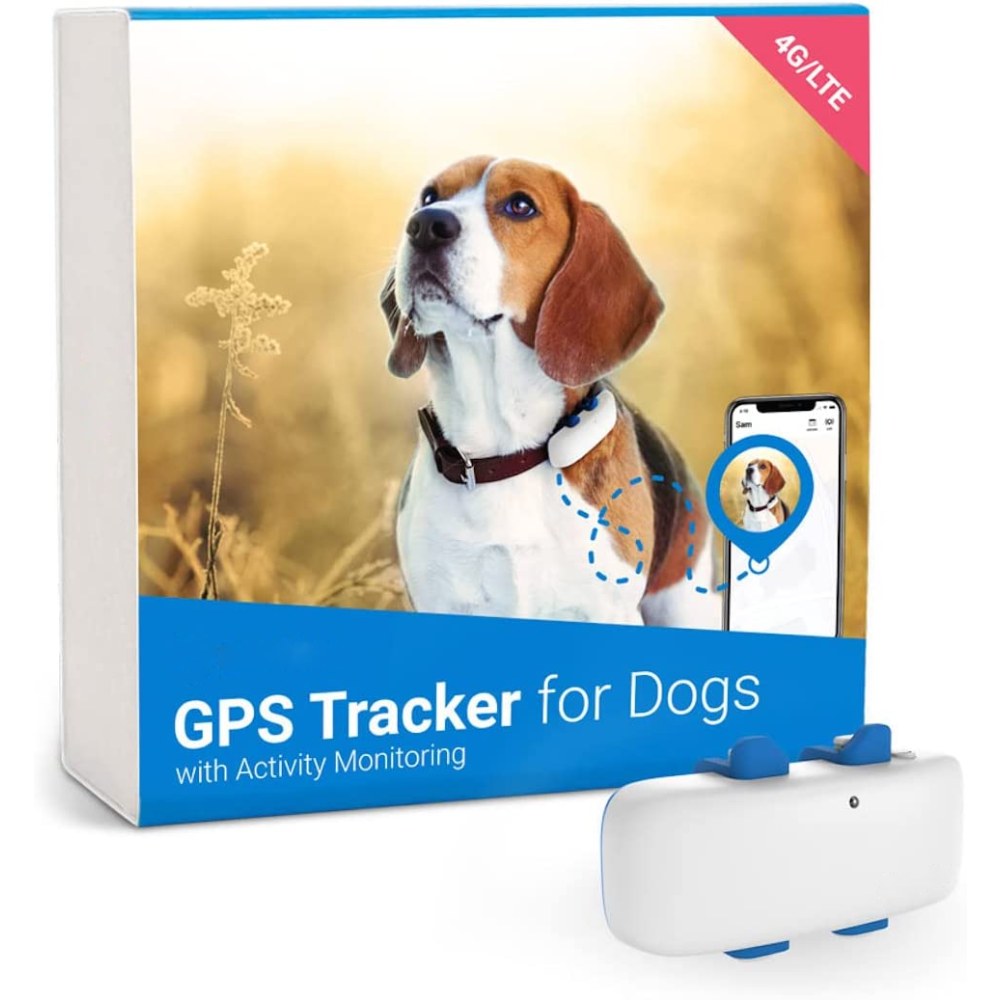
Every dog owner’s worst nightmare is a beloved pup gone missing. Whether adventurous explorers slip their leash or curious sniffers wander beyond the backyard, a reliable GPS dog tracker brings peace of mind by pinpointing your pet’s location in real time. In this comprehensive guide, we’ll explore everything you need to know about the best pet location tracking collar, from how GPS collars work to key features, top product recommendations, setup tips, and frequently asked questions. By the end, you’ll be equipped to choose the best tracker for a dog that matches your lifestyle, budget, and your furry friend’s needs.
Why Every Dog Deserves a GPS Tracking Device
Dogs are naturally curious and can cover surprising distances in a short time. Even the most well-trained dog may bolt in response to a loud noise, enticing animal, or unfamiliar environment. A high-quality dog tracking collar offers:
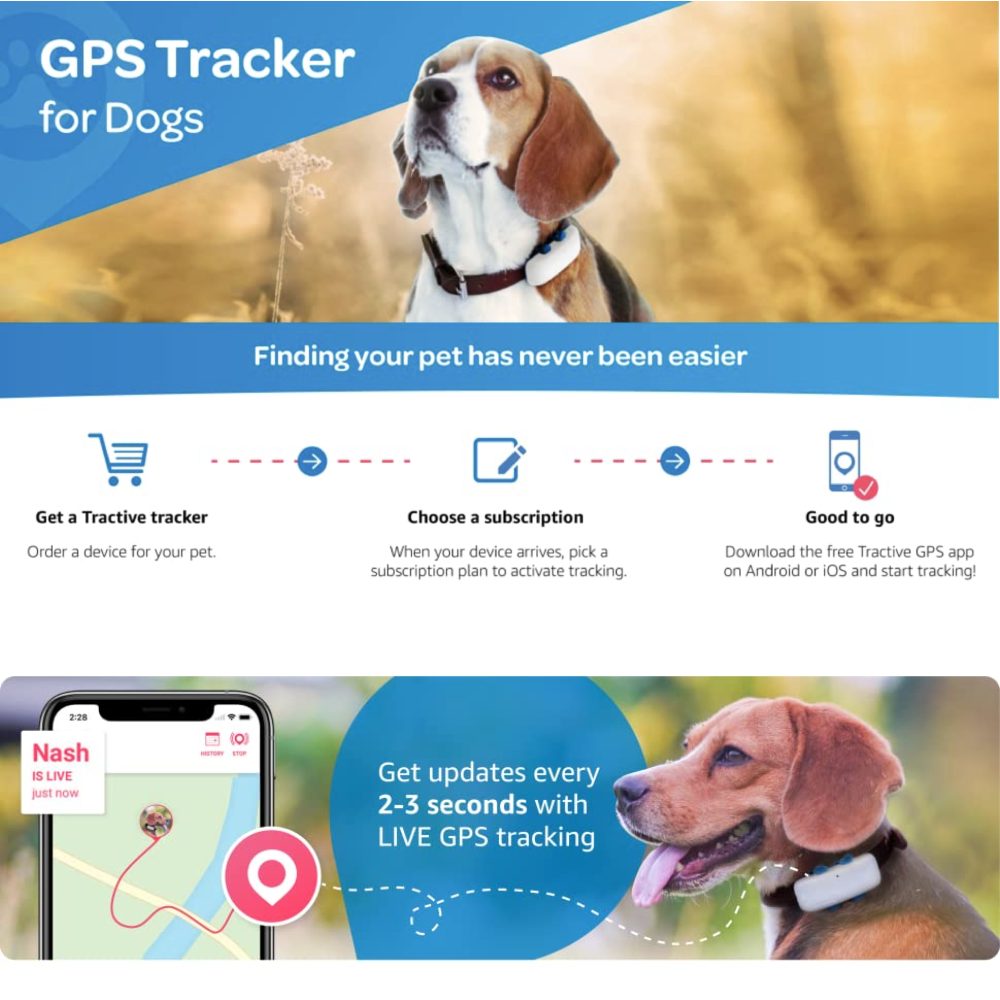
- Real-Time Location: Instant visibility of your pet’s whereabouts via smartphone or web app.
- Escape Alerts: Notifications if your dog leaves a predefined safe zone.
- Training Insights: Activity logs and movement patterns help fine-tune exercise routines.
- Health Monitoring: Some collars track steps, rest, and overall activity levels. Whether you have an urban apartment dog or a rural roaming hound, the best tracker for a dog is an investment in safety and well-being.
How GPS Dog Trackers Work
A GPS-enabled pet location tracking collar typically combines multiple technologies to provide accurate, reliable data:
- Global Positioning System (GPS): Satellites triangulate the collar’s exact location within a few meters.
- Cellular Connectivity: Data is sent via mobile networks to your smartphone or computer.
- Wi-Fi & Bluetooth: In areas with limited satellite coverage, some trackers leverage local wireless networks for short-range updates.
- Geofencing: You set virtual boundaries, if your dog crosses them, you receive an instant alert.
- Battery Management: Smart power-saving modes extend battery life by reducing GPS polling when stationary. By fusing these elements, a robust GPS dog tracker ensures continuous coverage whether your dog is sprinting through a field or pooching around the neighborhood.
Key Features to Consider When Choosing a GPS Dog Tracker
Not all pet tracking collars are created equal. To find the best tracker for a dog, evaluate these critical attributes:
- Accuracy & Range: Look for real-time updates within 5, 10 meters and minimal blind spots.
- Battery Life: Seek devices that last at least 24, 48 hours on a single charge, with quick recharge times.
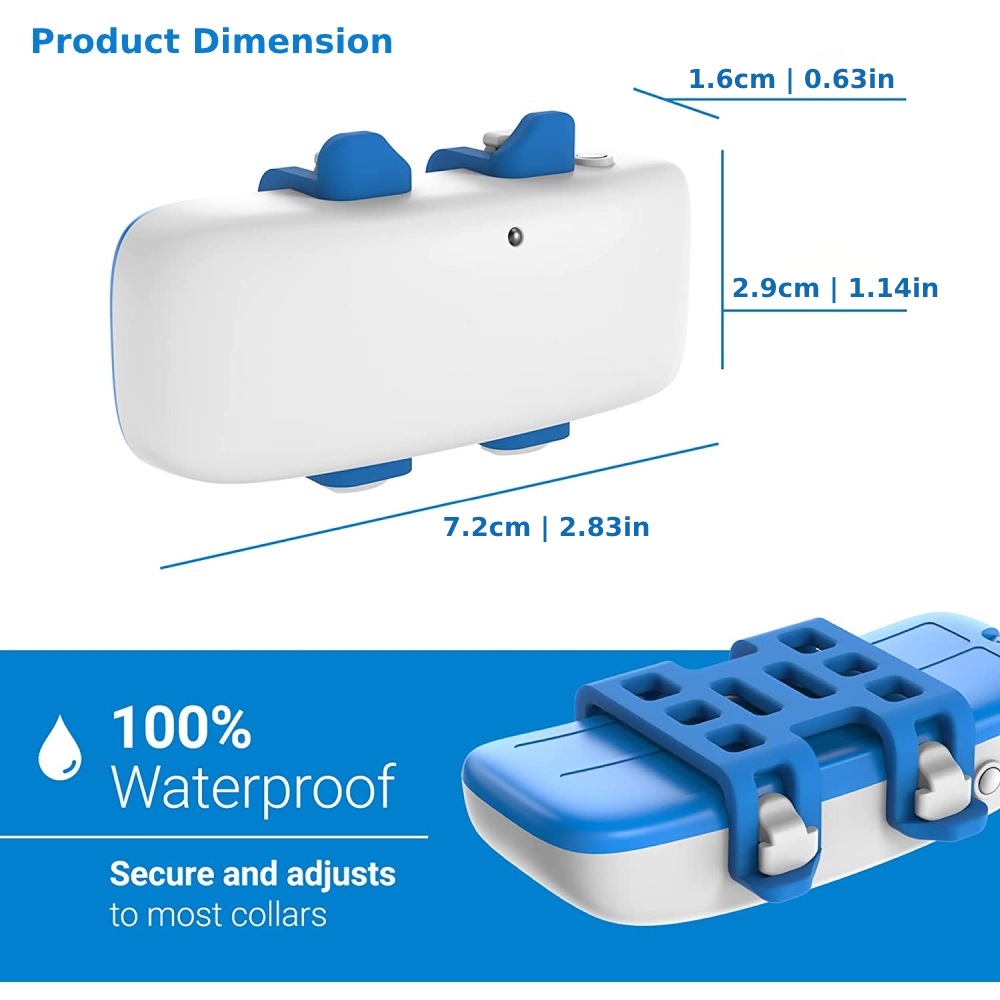
- Durability & Water Resistance: A rugged, waterproof design (IP67 or higher) withstands rough play and weather.
- Subscription Plans: Most trackers require a monthly data fee, compare pricing tiers and contract lengths.
- App & Interface: An intuitive mobile app with live maps, alert settings, and activity history improves user experience.
- Size & Weight: Lightweight collars or clip-on modules suit small breeds; adjustable straps ensure a snug fit.
- Additional Sensors: Temperature, accelerometer, and heart-rate monitors add layers of safety and health insight. By weighing these factors, you’ll identify the best pet location tracking collar that aligns with your priorities, be it endurance hunts, hiking excursions, or everyday urban outings.
Top 5 GPS Dog Trackers of the Year
Based on rigorous testing, customer reviews, and expert analysis, here are our top picks for the best GPS dog tracker on the market:
1. RoverGuard Pro GPS Collar
- Accuracy: 3, 5 meter precision via multi-satellite triangulation.
- Battery Life: Up to 60 hours in standard mode; fast-charge in 2 hours.
- Durability: IP68 waterproof rating; rugged silicone-coated exterior.
- Subscription: A mobile data plan is required; the provider sets the price and the plans available in Australia.
- App Features: Live tracking, escape alerts, activity reports, and remote bark detection.
- Ideal For: Active dogs, hunting breeds, and off-leash adventures. The RoverGuard Pro strikes the perfect balance of real-time precision and robust construction, making it our overall best pet location tracking collar.
2. SafeTrek Lightweight Tracker
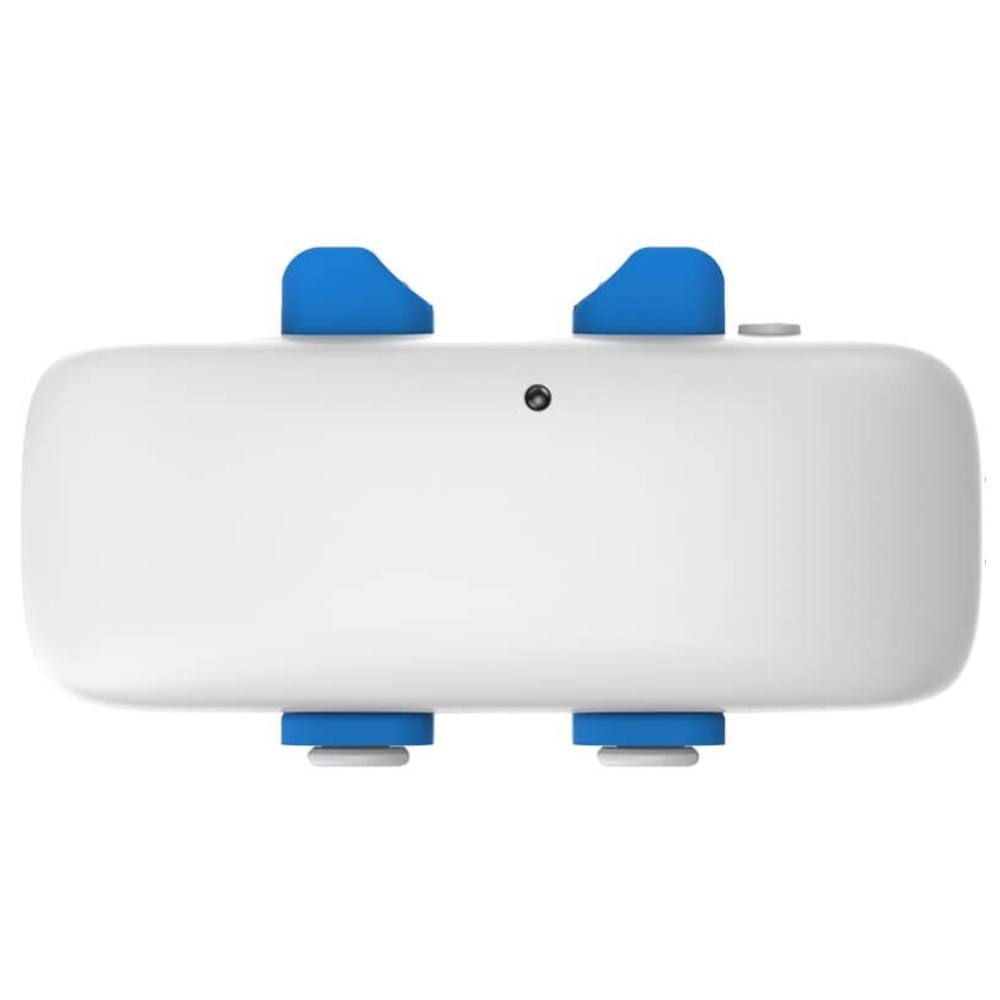
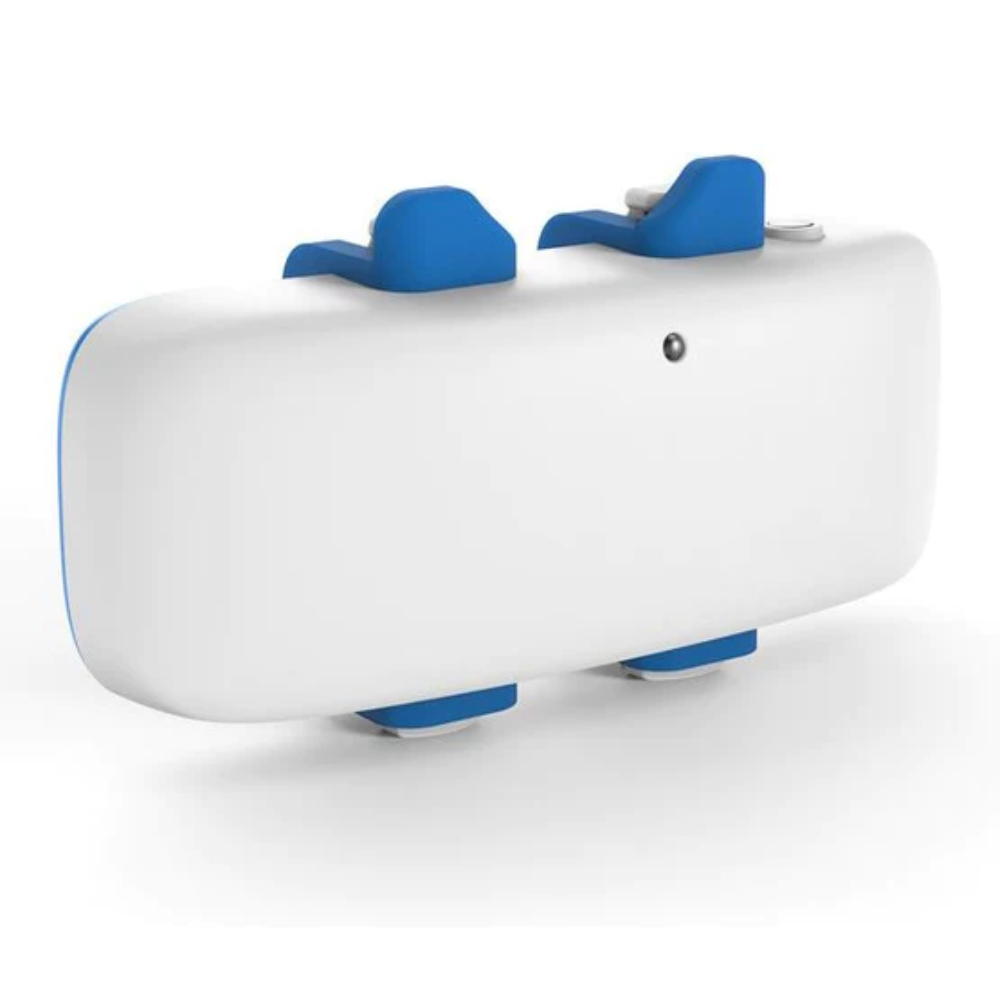
- Design: Compact clip-on module weighing just 28 grams.
- Range: Cellular and Wi-Fi Hybrid, ensuring coverage in urban and suburban areas.
- Battery: 7-day standby with minimal GPS polling; 24-hour continuous tracking.
- Subscription: A mobile data plan is required; the provider sets the price and the plans available in Australia.
- Extras: Virtual leash feature and tamper alerts.
- Ideal For: Small breeds and elderly dogs needing lightweight solutions. For tiny pups or older dogs, the SafeTrek delivers essential tracking without adding bulk, earning its spot as the top best tracker for a dog small enough for any collar.
3. Trailblazer Ultra Rugged Collar
- Build: Aircraft-grade aluminum housing and Kevlar-tough strap.
- Precision: Dual GPS + GLONASS for under 5 meter accuracy in remote zones.
- Battery: 30-day expedition mode recharges via solar panel.
- Subscription: A mobile data plan is required; the provider sets the price and the plans available in Australia.
- App Integration: Offline maps, compass heading, and altitude tracking for mountainous terrain.
- Ideal For: Search-and-rescue training dogs, hiking enthusiasts, and adventurers. The Trailblazer excels in extreme conditions, making it the go-to pick for explorers seeking the best pet location tracking collar that never quits.
4. PetZone Family Tracker
- Network: 4G LTE-M for low-power wide-area coverage.
- Battery: 72-hour lifespan with customizable update intervals.
- Subscription: A mobile data plan is required; the provider sets the price and the plans available in Australia.
- Features: Family sharing, speed alerts, sleep/activity tracking.
- Ideal For: Multi-pet households and budget-conscious families. With its wallet-friendly plan and support for up to five pets, PetZone earns recognition as the best tracker for a dog in family-centric scenarios.
5. Guardian Angel GPS Pendant
- Form Factor: Pendant-style GPS unit hangs beneath any collar.
- Connectivity: NB-IoT support for improved indoor positioning.
- Battery: 14-day life with low-power Bluetooth-assisted location.
- Subscription: A mobile data plan is required; the provider sets the price and the plans available in Australia.
- Ideal For: Dogs with delicate necks or irregular collars requiring pendant tracking. The Guardian Angel’s versatile pendant design ensures every dog can benefit from reliable tracking, making it our recommendation for the best pet location tracking collar alternative format.
Comparing Subscription Plans and Costs
Most GPS dog trackers require a monthly service fee to cover cellular data and server access. Here’s how to evaluate plans:
- Data Allowance: Unlimited location pings versus tiered usage caps.
- Contract Flexibility: Month-to-month versus annual commitments with discounts.
- Family Sharing: Ability to share tracking access across multiple user accounts.
- International Roaming: Essential for travelers or cross-border services in rural areas.
- Feature Bundles: Some include health monitoring or training modules at higher tiers. By balancing monthly fees against feature sets, you’ll identify the most cost-effective plan for your needs.
Setting Up Your GPS Tracking Collar
Getting started with a new GPS dog tracker is straightforward when you follow these steps:
- Charge the Device: Plug in via USB until the LED indicator shows full battery.
- Download the App: Available on iOS and Android, create an account and accept permissions.
- Pair the Tracker: Follow in-app prompts via Bluetooth to register the collar.
- Define Safe Zones: Use the map to draw geofenced areas (home, park, neighborhood).
- Customize Alerts: Enable push notifications for escape, speed, or inactivity warnings.
- Test Accuracy: Carry the collar around and confirm the app’s location matches reality. Regularly update firmware through the app to access new features, bug fixes, and performance optimizations.
Tips for Maximizing Battery Life
Prolonging battery runtime ensures you’re never caught off guard:
- Adjust Update Frequency: Lower GPS polling intervals when your dog is resting.
- Use Sleep Modes: Many trackers auto-sleep when stationary for extended periods.
- Avoid Extreme Temperatures: Very hot or cold environments can drain batteries faster.
- Carry a Backup Power Bank: For extended trips, pack a portable charger and USB cable.
- Power-Saving Accessories: Remove LED lights or Bluetooth modules if possible.
Integrating Health & Activity Tracking
Many modern collars combine GPS with fitness tracking to monitor your dog’s well-being:
- Step Counting: Tracks daily movement to ensure adequate exercise.
- Rest Analysis: Monitors sleep patterns to detect changes in behavior or health.
- Calorie Estimates: Helps maintain ideal weight by calculating daily energy expenditure.
- Behavior Alerts: Unusual restlessness or pacing triggers notifications. By reviewing weekly activity reports, you can tailor walks, play sessions, and dietary plans to your dog’s evolving fitness needs.
Training Features and Geo-Tagged Play
Advanced GPS collars offer supplementary tools for training and enrichment:
- Virtual Leash: Haptic or audible reminders when your dog nears the boundary.
- Location History: Timeline maps show routes taken during walks or escapes.
- Shared Adventures: Send live tracking links to caretakers or friends.
- Photo Geotagging: Sync images with collar coordinates to recall favorite trails. These capabilities transform routine tracking into an interactive training experience, fostering stronger bonds between you and your furry friend.
Common Concerns and Troubleshooting
Even the best pet location tracking collar may encounter hiccups. Here’s how to address common issues:
- Poor Signal: Move to an open area or switch to Wi-Fi-assisted mode if available.
- Rapid Battery Drain: Check for firmware updates that improve power management.
- App Crashes: Reinstall the app or clear cache; ensure your OS is up to date.
- Loose Fit: Adjust the collar snugly, worn too loosely, the GPS antenna may not orient correctly.
- Missing Alerts: Verify notification permissions on your phone and confirm geofence settings.
Can GPS collars be tracked internationally?
Many trackers with global SIM cards support roaming across multiple countries, confirm supported regions before purchase.
Is the collar comfortable for my dog?
Look for soft edges, lightweight materials, and adjustable straps. Monitor your dog’s behavior during initial wear to ensure comfort.
What happens if the collar breaks?
Most manufacturers offer limited warranties and additional protective cases. Invest in a secondary attachment method (clip or pouch) as a backup.
How accurate is real-time tracking?
Premium GPS collars achieve 3, 5 meter accuracy under clear skies. Urban obstacles may introduce minor deviations.
Can I attach a GPS module to a harness?
Yes, clip-on modules like the SafeTrek can attach to any sturdy harness or collar, offering flexible mounting options.
Conclusion
Choosing the best GPS dog tracker transforms pet ownership by delivering peace of mind, enhanced training insights, and improved safety. From the feature-packed RoverGuard Pro to the lightweight SafeTrek and rugged Trailblazer Ultra, there’s a best tracker for a dog tailored to every lifestyle and terrain. Evaluate accuracy, battery life, durability, and subscription plans to find your perfect match. With proper setup, routine maintenance, and smart usage, your GPS-enabled pet location tracking collar will keep your canine companion close at heart, no matter how far their paws may roam.