

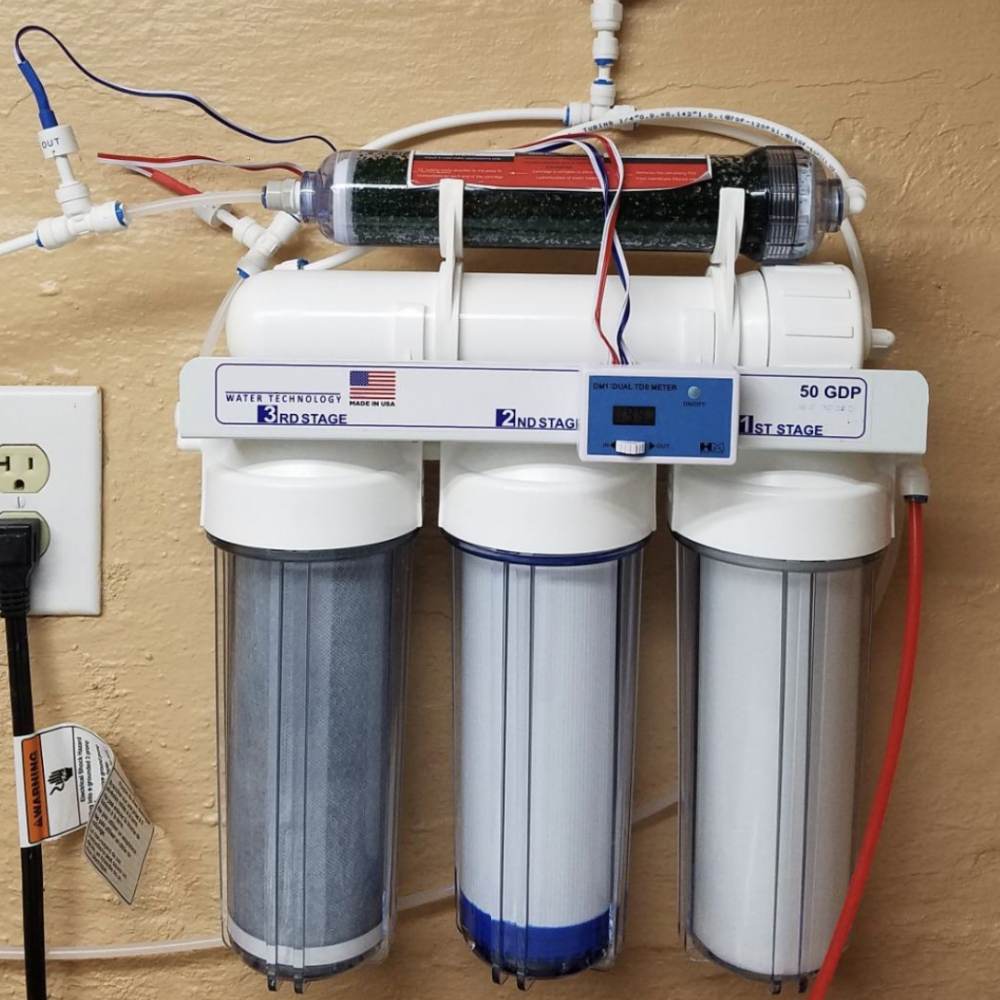
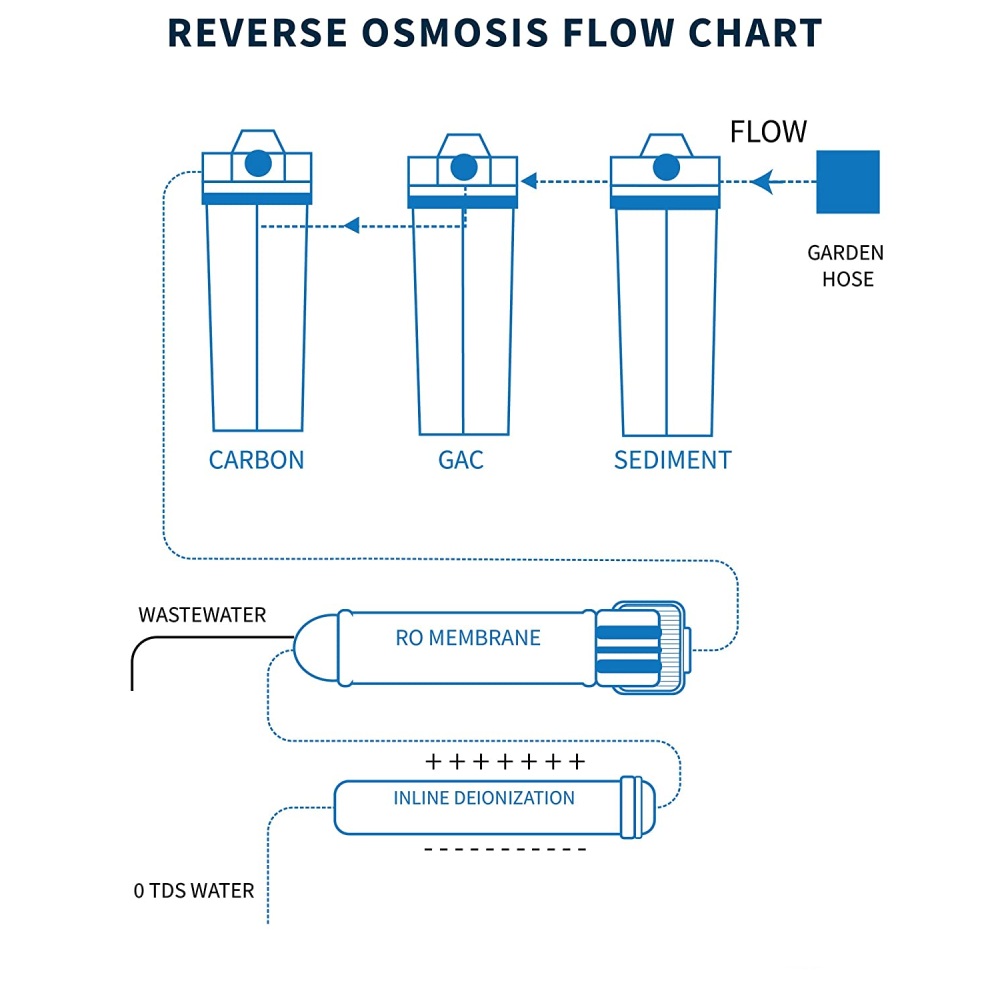
The complete guide
Buying Guide
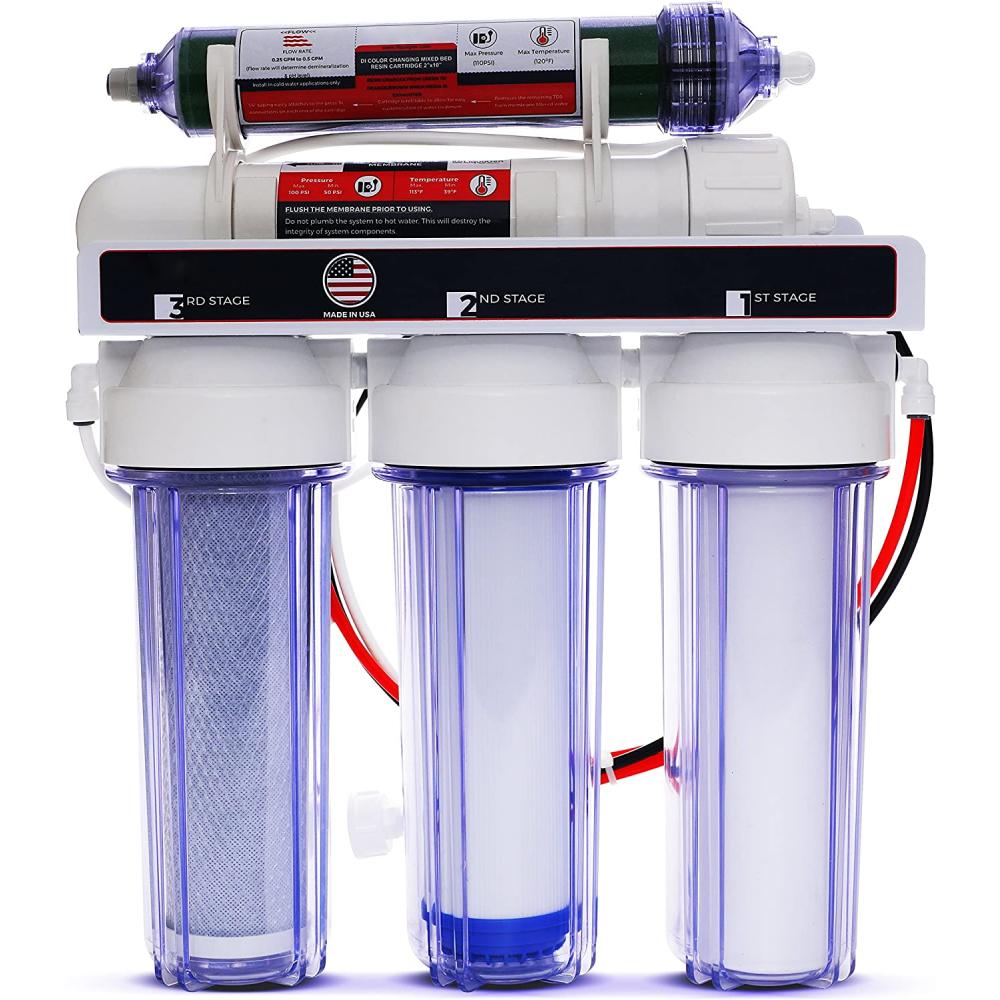
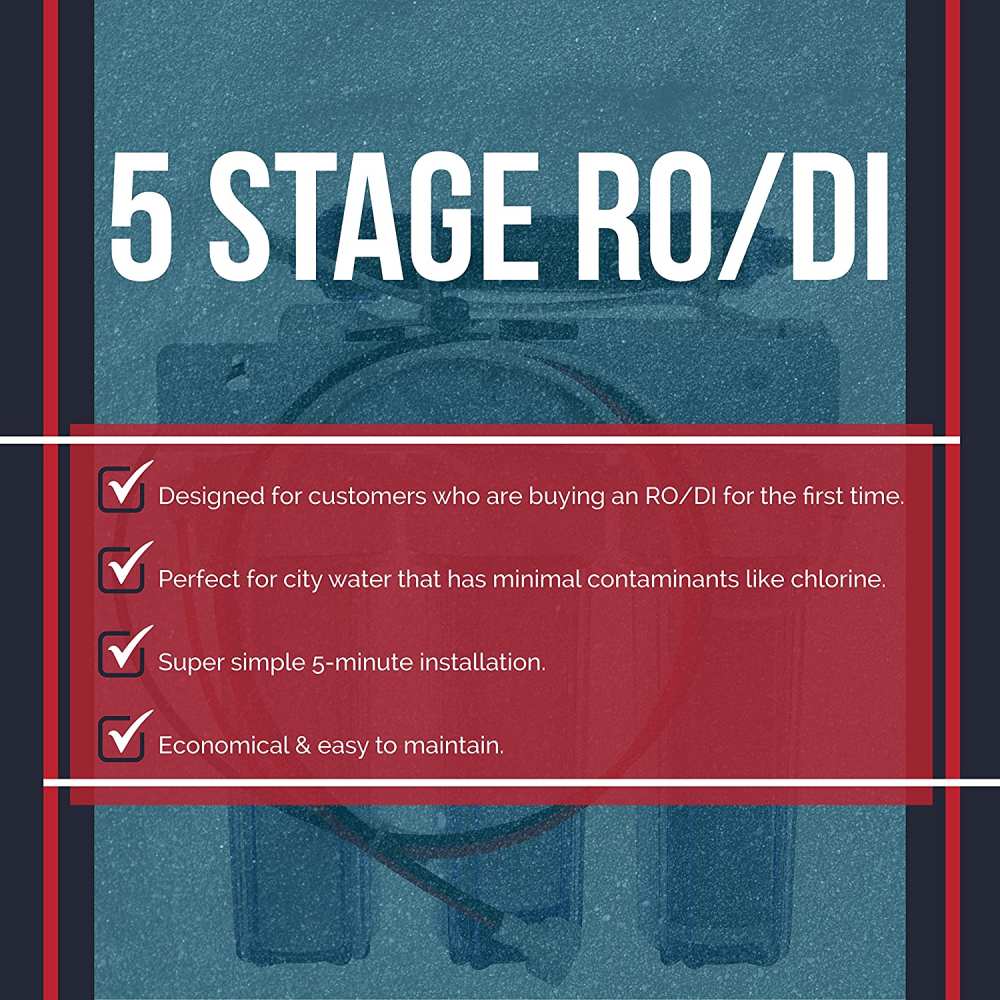
Five Stage Reverse Osmosis Filter System: a buying guide
Best Aquarium Reef Water Filter System: Ensuring Crystal-Clear, Healthy Waters
Maintaining pristine water quality is the cornerstone of a thriving reef aquarium. The best aquarium reef water filter system removes toxins, particulates, and dissolved organics, creating an environment where corals, fish, and invertebrates can flourish. In this comprehensive guide, we’ll explore why superior filtration matters, dissect various filter types, highlight the best water purifier for fish tank and top-rated best aquarium water filter setups, offer installation and maintenance tips, and answer frequently asked questions. With over 2,000 words of expert insights, you’ll be poised to select and optimize the perfect reef filtration solution for your aquatic ecosystem.
Why Superior Filtration Is Essential for Reef Aquaria
Reef tanks demand water quality that mimics ocean conditions. Unlike freshwater communities, saltwater reefs are highly sensitive to parameter fluctuations. Effective filtration:
- Removes Dissolved Organics: Protein skimmers extract waste before it breaks down into ammonia and nitrates.
- Eliminates Particulates: Mechanical pads and filter socks capture detritus, uneaten food, and biofilm.
- Supports Biological Cycling: Live rock and media provide surfaces for nitrifying bacteria to convert ammonia into harmless nitrates.
- Maintains Stability: Consistent water turnover prevents hotspots of low oxygen, pH swings, and temperature stratification.
- Enhances Clarity: Crystal-clear water showcases vibrant coral coloration and improves light penetration. Without a robust reef water filter system, nutrient spikes can fuel unwanted algae growth, stress livestock, and jeopardize coral health. Investing in the best water purifier for fish tank is an investment in long-term success.
Key Components of a Reef Filtration System
A comprehensive reef filter setup typically combines multiple stages of purification:
Mechanical Filtration
Mechanical filters trap solid waste before it decomposes. Common elements include:
- Filter socks or cartridges
- Foam pads and sponges
- Micron filter floss Replace or rinse mechanical media regularly to prevent clogging and maintain flow.
Chemical Filtration
Chemical media absorb dissolved contaminants:
- Activated carbon removes toxins and discoloration.
- Phosphate removers curb algal blooms.
- Resin beads and GFO (granular ferric oxide) target specific impurities.
Biological Filtration
Live rock, bio-balls, and ceramic rings host nitrifying bacteria that convert ammonia to nitrite, then nitrate. A well-established bio-media bed is the heart of biological stability.
Protein Skimming
Skimmers generate microbubbles to remove organic waste before it dissolves. High-efficiency skimmers are critical for nutrient control in reef systems.
Refugium & Macroalgae Filtration
Refugiums foster macroalgae growth (e.g., Chaetomorpha) that absorb nitrates and phosphates while providing a habitat for beneficial copepods and amphipods.
UV Sterilization & Ozone
UV sterilizers and ozone injectors offer advanced control by targeting free-floating pathogens and organic compounds, though they require careful integration to avoid overdosing.
Types of Reef Filter Systems
Different aquarium setups benefit from distinct filter configurations. Let’s examine popular options:
Sump-Based Systems
The most versatile approach uses a sump beneath the display tank:
- Multi-Chamber Design: Allows sequential mechanical, chemical, and biological filtration.
- Protein Skimmer Mount: Dedicated section maximizes skimming efficiency.
- Refugium Section: Integrated macroalgae refugium for nutrient export. Sumps offer high water volume and equipment hiding but require plumbing and space.
Canister Filters
External canisters house stacked media trays:
- Compact footprint and easy media swapping.
- High flow rates for mechanical and chemical filtration.
- Less effective for protein skimming unless coupled with an in-tank skimmer.
Hang-On-Back (HOB) Filters
HOB units hang on the tank rim:
- Simple installation, affordable.
- Limited media capacity and pumping power.
- Suitable for small reef or fish-only systems.
Internal Power Filters
Submersible filters push water through media cartridges:
- Space-saving but often noisy.
- Best for nano reefs with light bioload.
- Limited media options and flow control.
Top-Rated Reef Filtration Components
Here are the market leaders in each category, representing the best aquarium water filter and allied equipment:
1. Sump System: ReefMaster Deluxe Sump Combo
- Design: Three-chamber acrylic sump with refugium section and skimmer well.
- Capacity: 15 US gallons (57 litres) for display tanks up to 100 US gallons (378 litres).
- Flow: Compatible with pumps up to 1,200 GPH.
- Why We Love It: Everything you need, removable baffles, media baskets, and integrated refugium divider, for the ultimate custom sump setup.
2. Canister Filter: Olympia Marine FX-400
- Power: 530 GPH flow rate with adjustable output nozzle.
- Media: Four stacking trays for floss, carbon, bio-media, and specialized resins.
- Maintenance: Twist-lock lid and quick-release valves make media changes mess-free.
- Why We Love It: Industrial-strength performance in a compact footprint, ideal for aquariums up to 150 US gallons (568 litres).
3. Protein Skimmer: Skyrocher NanoSC-500 Skimmer
- Type: Needle-wheel, DC pump-driven in-sump skimmer.
- Capacity: Rated for systems up to 90 US gallons (341 litres).
- Features: Adjustable collection cup, quiet operation, energy-efficient.
- Why We Love It: Effective organic removal with minimal footprint, perfect as part of the best water purifier for fish tank strategy.
4. Refugium Light & Media: ReefGlow Macro Refugium Kit
- Light: Full-spectrum LED designed for macroalgae growth.
- Media: Includes premium Chaetomorpha strands and bio-bead reactor basket.
- Why We Love It: Provides biological filtration and habitat for pods, enhancing overall tank health.
5. UV Sterilizer: AquaShield Pro UV Clarifier
- UV Output: 15W low-pressure lamp for microparticle elimination.
- Flow Range: Effective at 100, 500 GPH.
- Housing: Durable acrylic with built-in flow meter.
- Why We Love It: Excellent at controlling free-floating algae and pathogens, complementing primary filtration.
Key Features to Evaluate When Choosing a Reef Filter
To identify the best aquarium water filter system, balance these criteria:
- Flow Rate vs. Turnover: Aim for 5, 10× turnover of display tank volume per hour.
- Media Versatility: Ability to swap or stack mechanical, chemical, and biological media.
- Energy Efficiency: DC pumps and quiet operation reduce long-term power costs.
- Maintenance Accessibility: Tool-less access to media trays, skimmer cups, and pump chambers.
- Scalability: Expandable sump sections or modular reactors for future growth.
- Durability: Corrosion-resistant components suited for saltwater environments.
- Compatibility: Integration with aquarium controllers (Apex, GHL) for automated alerts and controls.
Installation Tips for Optimal Performance
- Plan Layout: Position sump below display tank with minimal head loss in plumbing loops.
- Use Proper Plumbing: Schedule 40 PVC or reinforced silicone hoses to prevent leaks and flow restrictions.
- Prime Canisters & Skimmers: Follow manufacturer instructions to eliminate air locks and ensure continuous operation.
- Set Refugium Light Cycle: Run macroalgae lights on opposite schedule to display tank lighting to stabilize pH.
- Monitor Flow: Install ball valves and flow meters to fine-tune return pump output and skimmer performance.
- Integrate with Controller: Connect float switches, leak detectors, and pump relays for automated shutdowns and alarms.
Maintenance Best Practices
Consistent care ensures longevity and reliability:
- Mechanical Media: Rinse filter socks and sponges weekly; replace floss monthly.
- Chemical Media: Renew activated carbon and GFO every 4, 6 weeks.
- Protein Skimmer: Empty and clean collection cup weekly; inspect pump impeller monthly.
- UV Lamp: Replace bulbs annually for consistent clarity.
- Refugium: Harvest macroalgae regularly to prevent decay and nutrient release.
How often should I replace filter media?
Mechanical media monthly, chemical media every 4, 6 weeks, and biological media only when visibly clogged or after several years.
Do I need both a canister filter and a sump?
For larger reefs, yes, a canister handles mechanical/chemical duties while a sump accommodates skimmers, refugiums, and bulk equipment.
Can I run multiple protein skimmers?
Yes, dual skimmers in separate sump chambers improve organic removal, especially in heavy-bioload systems.
Is UV sterilization safe for corals?
When installed after mechanical filtration and with correct dwell time, UV clarifiers safely reduce pathogens without harming livestock.
What flow rate is best for my reef?
Aim for a minimum turnover of 10× display volume per hour, with additional localized flow pumps for coral health.
Conclusion
Creating a stable, nutrient-balanced reef environment hinges on selecting the best aquarium reef water filter system. By combining mechanical, chemical, biological filtration, protein skimming, and advanced polishing methods like UV sterilization and refugium nutrient export, you establish a robust barrier against water quality issues. Whether you opt for a versatile sump-based configuration with the ReefMaster Deluxe, a high-flow canister like the Olympia Marine FX-400, or a targeted in-tank filter module, prioritize flow rate, media flexibility, and maintenance ease. With systematic installation, diligent upkeep, and the right equipment, your best water purifier for fish tank, your reef will reward you with thriving corals, vibrant fish, and crystal-clear waters for years to come.