
The complete guide
Buying Guide
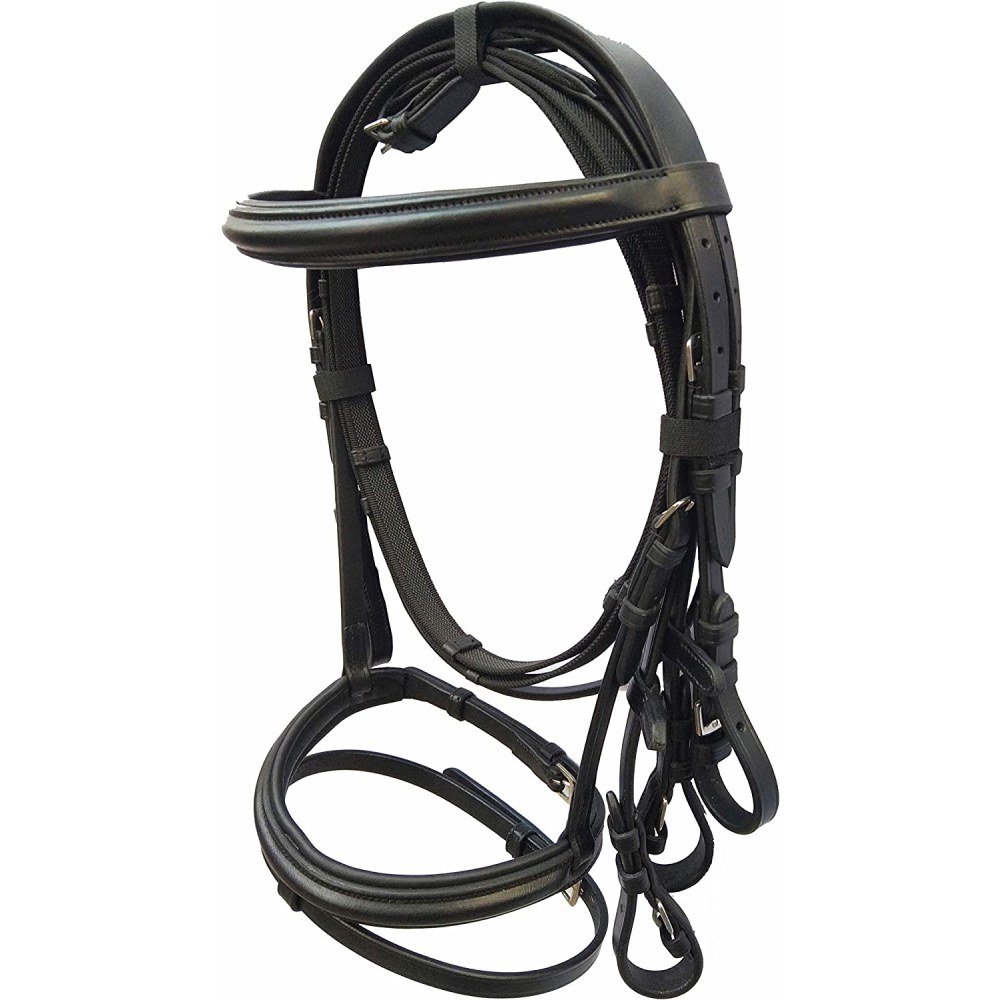
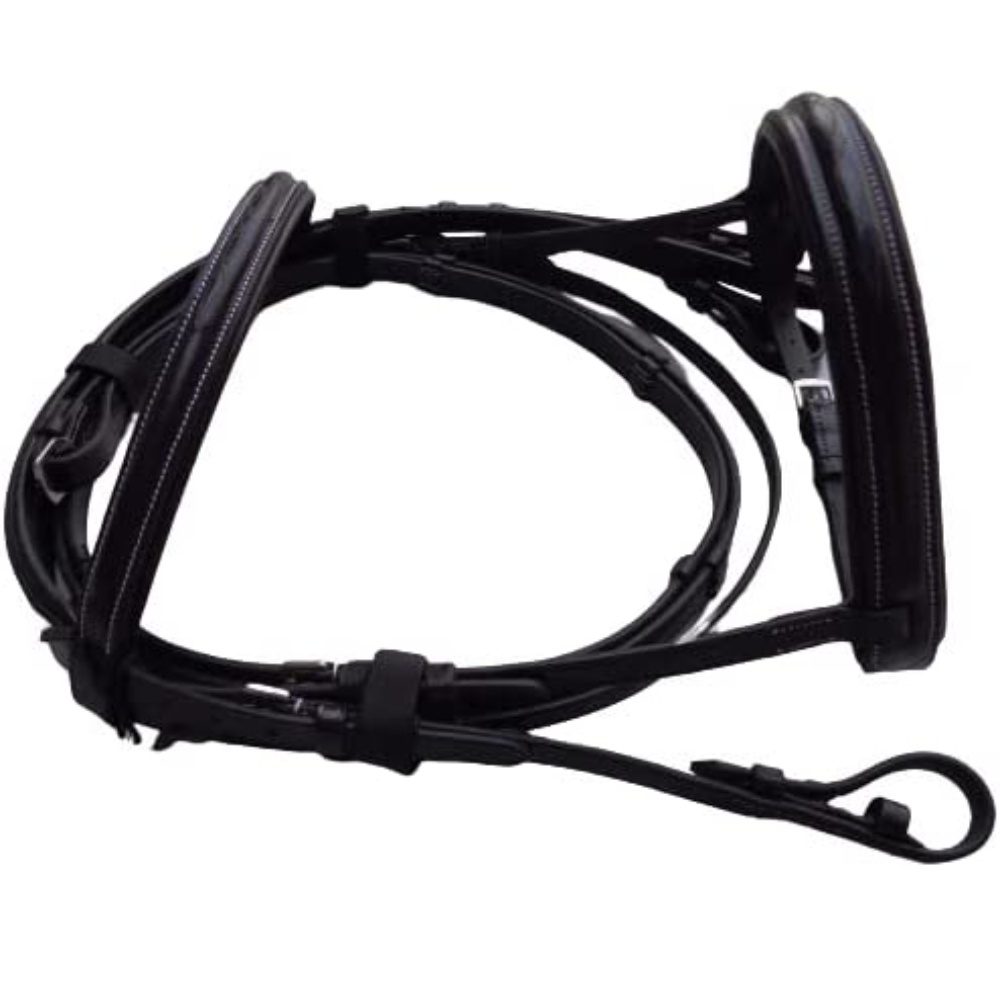
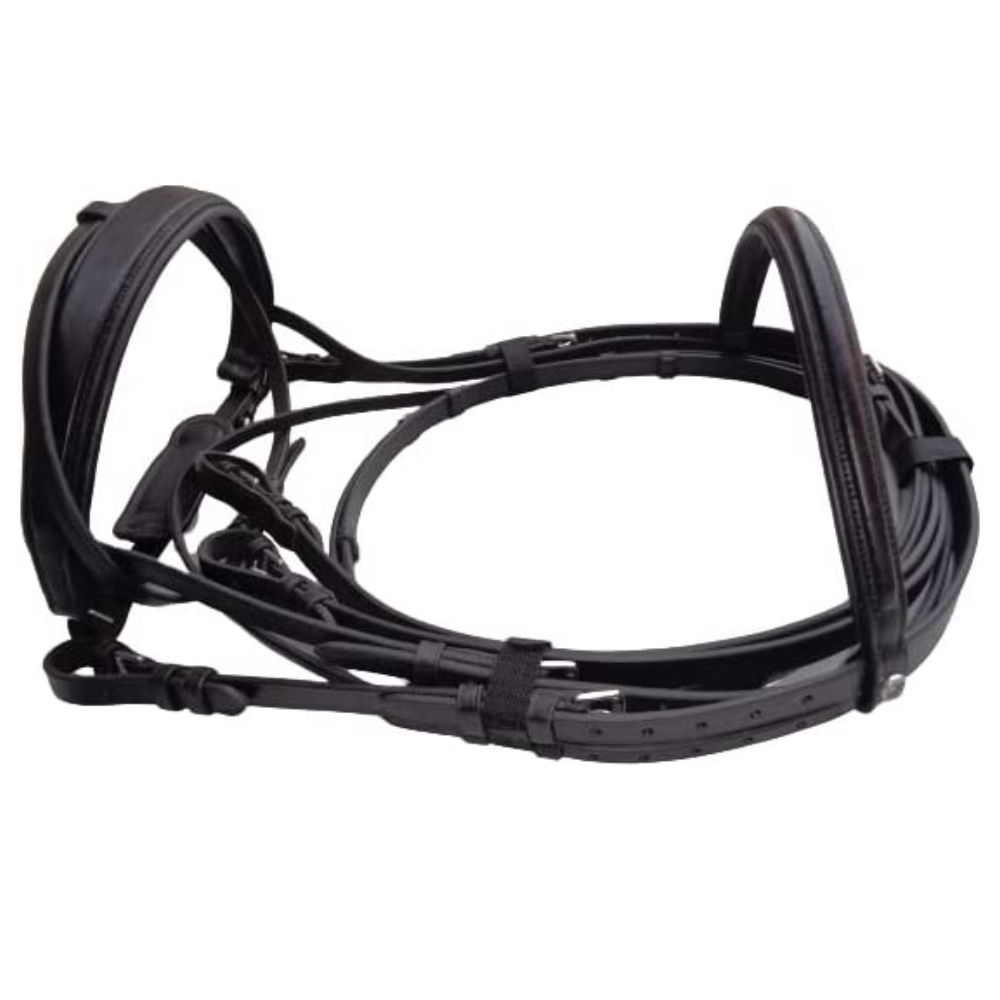
Padded Comfort Bridle in English Bridle Leather: a buying guide
Best Comfort Headpiece Bridle: The Ultimate Guide for Equestrian Excellence
Choosing the best comfort headpiece bridle can transform your riding experience and enhance your horse’s well-being. A thoughtfully designed bridle minimises pressure on sensitive poll nerves, eases communication, and prevents rubbing or pinching behind the ears. Whether you’re seeking the best equestrian leather bridle for horse use or exploring high-performance synthetic options, this extensive guide will walk you through anatomy, materials, fitting tips, maintenance advice, and top recommendations. By the end, you’ll feel confident selecting the best horse bridle tailored to your discipline, budget, and equine partner’s comfort.
Understanding the Importance of a Comfy Crownpiece
The crownpiece, or headpiece, sits directly over the horse’s poll, the junction of the skull and the first cervical vertebra. Excessive pressure here can lead to tension, resistance, and unpredictable behaviours such as head tossing or ear pinning. A comfort headpiece features ergonomic shaping, generous padding, and anatomically correct cutouts to alleviate stress. With the right design, you’ll notice:
- Improved Relaxation: Soft cushioning prevents soreness and encourages a willing, forward attitude.
- Enhanced Responsiveness: A comfortable horse gives clearer, more fluid rein aids.
- Reduced Rubbing: Smooth, contoured shapes eliminate chafing and hair loss.
- Better Focus: When poll pressure is minimised, horses concentrate on the rider’s cues instead of discomfort.
Anatomy of a Headpiece Bridle
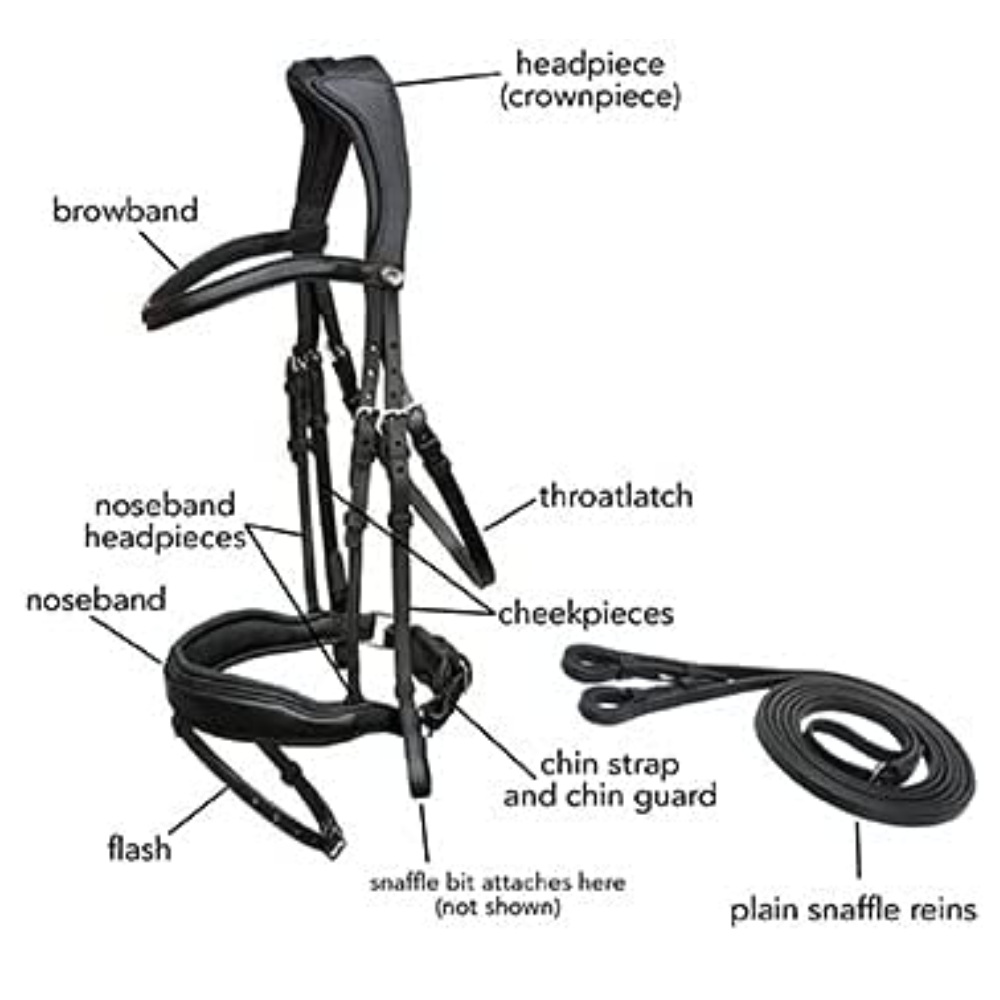
Before delving into specific models, let’s review the main components of a traditional bridle:
- Crownpiece (Headpiece): The top strap over the poll. In comfort versions, it is padded, contoured, or cut back behind the ears.
- Browband: Crosses the forehead to anchor the bridle. Styles vary from straight to curved or even studded.
- Cheekpieces: Connect the crownpiece to the bit, usually adjustable via buckles.
- Noseband: Encircles the nose to stabilise the bit. Options include cavesson, flash, figure-8, and crank styles.
- Throatlatch: Passes under the throat to prevent slipping over the horse’s head.
- Bit: Transmits rider’s rein aids to the horse’s mouth. Choice depends on training level, sensitivity, and discipline.
Materials Matter: Leather Versus Synthetic
Bridle materials greatly influence durability, appearance, and ease of upkeep. Here’s how to choose between traditional leather and modern synthetics:
Premium Leather Bridles
For riders seeking classic elegance and longevity, a best equestrian leather bridle for horse is hard to beat. Key advantages include:
- Natural Feel: High-grade vegetable-tanned leather softens over time, moulding gently to the horse’s head.
- Timeless Aesthetic: Rich patina and handcrafted finishes elevate any turnout.
- Durability: With regular cleaning and oiling, leather bridles can last decades. Look for bridles made from full-grain leather, ideally treated with leather oils that prevent cracking and maintain suppleness.
High-Performance Synthetic Options
Synthetic bridles, crafted from materials like Biothane or high-grade nylon with neoprene padding, offer:
- Low Maintenance: Quick wipe-down cleaning, no oiling required.
- Weatherproof: Resists rain, sweat, and mud without absorbing moisture.
- Affordable: Generally more budget-friendly than premium leather. While they lack the traditional look of leather, synthetic bridles are perfect for everyday schooling, lessons, and humid climates.
Anatomical Headpiece Designs
Modern bridles often feature anatomical headpieces shaped to follow the contours of the horse’s skull and ears. Benefits include:
- Cutback Shape: A central notch or “cutback” relieves pressure directly behind the ears.
- Winged Style: Curved wings avoid pinching at the poll and distribute weight laterally.
- Thick Padding: Memory foam or sheepskin inserts cushion sensitive areas. A well-engineered crownpiece can make a significant difference in a sensitive or high-headed horse’s comfort level.
Exploring Noseband Options
The noseband works with the bit to stabilise the bridle and control the horse’s mouth. Common styles include:
Flash Noseband
Combines a standard cavesson with a lower strap to keep the mouth closed gently. Ideal for horses that try to evade the bit by opening their lips.
Figure-8 (Grackle) Noseband
Forms a figure-eight shape, offering excellent stability without restricting nasal airflow. Favoured in jumping and eventing.
Crank Noseband
Features leverage-style buckles for a fine-tuned fit. Typically padded for comfort, it provides a sleek look in dressage rings.
Drop Noseband
Sits slightly lower on the nose, giving a gentle mouth-holding effect without undue pressure on the cheekbones.
How to Fit a Comfort Headpiece Bridle
Proper fit is crucial. Follow these guidelines to ensure your new best horse bridle sits perfectly:
- Crownpiece: Should lie flat without pinching behind the ears. About two fingers’ width clearance is ideal.
- Browband: Wide enough to clear the facial crest without pulling forward. Should not distort the brow.
- Cheekpieces: Adjust so the bit sits at the corners of the mouth with one or two slight wrinkles at rest.
- Noseband: Two to three fingers’ space between the noseband and the horse’s face. Tighten gently, overly snug straps cause discomfort.
- Throatlatch: Should allow room for a closed fist between the strap and the throat to prevent choking while keeping the bridle secure.
Top Picks: Best Horse Bridle Models
After extensive research and rider feedback, here are our five favourite bridles that excel in comfort, style, and value:
1. Eleganza Anatomic Comfort Bridle
Overview: A premium leather bridle with winged headpiece and natural sheepskin lining.
- Material: Vegetable-tanned leather
- Headpiece: Cutback design with fleece padding
- Browband: Curved, padded
- Noseband: Flash with detachable fleece cover
- Best For: Dressage and flatwork enthusiasts
2. Rider’s Choice Flexi-Fit Synthetic Bridle
Overview: A resilient Biothane bridle with neoprene-padded crownpiece.
- Material: Weatherproof Biothane
- Headpiece: Anatomical foam padding
- Browband: Simple, straight design
- Noseband: Standard cavesson
- Best For: Everyday schooling and trail riding
3. ComfortPro Triple-Padded Jump Bridle
Overview: Leather bridle crafted for jumping, featuring multiple foam layers in the poll area.
- Material: Full-grain oil-treated leather
- Headpiece: Triple-layer padding with ergonomic shape
- Browband: Raised, padded
- Noseband: Figure-8 configuration
- Best For: Show jumping and cross-country
4. Classic Elegance Deluxe Leather Bridle
Overview: Handcrafted for a refined look, with subtle detailing and plush padding.
- Material: Premium grain leather
- Headpiece: Cushioned cutback style
- Browband: Decorative stitching
- Noseband: Crank style with fleece lining
- Best For: Competitions and special occasions
5. EquiFit Anatomical Hybrid Bridle
Overview: Combines leather and neoprene for an innovative, easy-care design.
- Material: Leather straps with neoprene padding
- Headpiece: Contoured, shock-absorbing foam
- Browband: Minimalist, padded panel
- Noseband: Drop style with soft lining
- Best For: Riders seeking a blend of tradition and modern comfort
Maintaining Your Comfort Headpiece Bridle
Regular care prolongs the life of any best horse bridle, leather or synthetic. Follow these steps:
- Leather: Wipe down after each ride. Once weekly, clean with pH-balanced leather soap and follow with a quality leather conditioner.
- Synthetic: Rinse or wipe with a damp cloth. Mild soap may be used for stubborn dirt. Allow to air dry.
- Hardware: Inspect buckles and fittings regularly for corrosion or wear. Tighten loose screws and replace damaged parts promptly.
- Padding: Remove detachable padding when possible to wash or brush out debris.
- Storage: Hang bridles on bridle hooks or pegs in a cool, dry area away from direct sunlight.
Fitting Tips for Optimal Comfort
Even the best equestrian leather bridle for horse requires proper adjustment. Ensure:
- Slight Bit Wrinkles: One to two small creases at the mouth corners indicate correct bit height.
- Secure but Gentle Noseband: Allows two fingers’ clearance on either side of the noseband.
- Flat Browband: Sits flush without puckering the leather or pressing on the eyes.
- Throatlatch Fit: Space for a closed fist under the bit, preventing slippage without choking.
Common Questions About Comfort Bridles
How do I know if my headpiece is too tight?
If your horse consistently shakes its head, pins its ears, or displays evasion, the crownpiece may be too snug. Check for two-finger clearance and adjust padding if needed.
Can we switch padding materials?
Yes, many anatomical bridles have removable padding. You can substitute synthetic fleece for natural sheepskin or change foam density to suit your horse’s preferences.
Is a figure-8 noseband more restrictive than a flash?
Figure-8 designs distribute pressure around the muzzle and cheeks, providing firm control without compressing the nasal bones. Flashes focus on lip closure and are generally less restrictive overall.
How often should I replace cheekpieces or padding?
Inspect wear points monthly. Replace worn leather or frayed synthetic cheekpieces and padding every 6, 12 months, depending on use frequency and environmental exposure.
Conclusion
Selecting the best comfort headpiece bridle involves balancing materials, anatomical design, and personal riding goals. Whether you opt for the classic appeal of the best equestrian leather bridle for horse or the practicality of a modern synthetic hybrid, prioritise your horse’s comfort and clear communication. With proper fit, regular maintenance, and the insights in this guide, you’ll enjoy smoother rides, happier horses, and improved performance across any discipline.