


The complete guide
Buying Guide
Siphon Gravel Cleaner and Water Changer: a buying guide
Best Aquarium Gravel Cleaner: Your Ultimate Guide to a Spotless Substrate
Maintaining a pristine aquarium environment begins at the substrate level. Debris, uneaten food, and fish waste can accumulate among gravel and pebbles, degrading water quality and harming aquatic life. Investing in the best aquarium gravel cleaner ensures efficient removal of detritus while preserving beneficial bacteria. In this comprehensive guide, we’ll explore the importance of substrate maintenance, dissect various cleaning tool types, feature the best fish tank rock cleaning tool and top-rated best fish tank pebble cleaner models, and share pro tips for seamless upkeep. With over 2,000 words of expert advice, you’ll be equipped to choose and use the perfect cleaner for your aquatic ecosystem.
Why Substrate Cleaning Matters for a Healthy Aquarium
Gravel and pebbles serve as a biological filter, hosting beneficial nitrifying bacteria that convert toxic ammonia into less harmful nitrates. However, without regular vacuuming, organic buildup can:
- Increase Ammonia Levels: Decaying waste releases ammonia, stressing or poisoning fish.
- Promote Algae Blooms: Excess nutrients fuel unsightly green or filamentous algae.
- Reduce Oxygen: Compacted debris limits water flow through the substrate, diminishing gas exchange.
- Cloud Water: Suspended particles make the aquarium look murky and unhealthy. Regular use of a quality substrate vacuum, often touted as the best fish tank pebble cleaner, maintains balanced water parameters and a sparkling display.
Understanding Different Types of Gravel Cleaners
Not all substrate vacuums are created equal. Here’s an overview of the most common designs:
Siphon-Based Gravel Vacuums
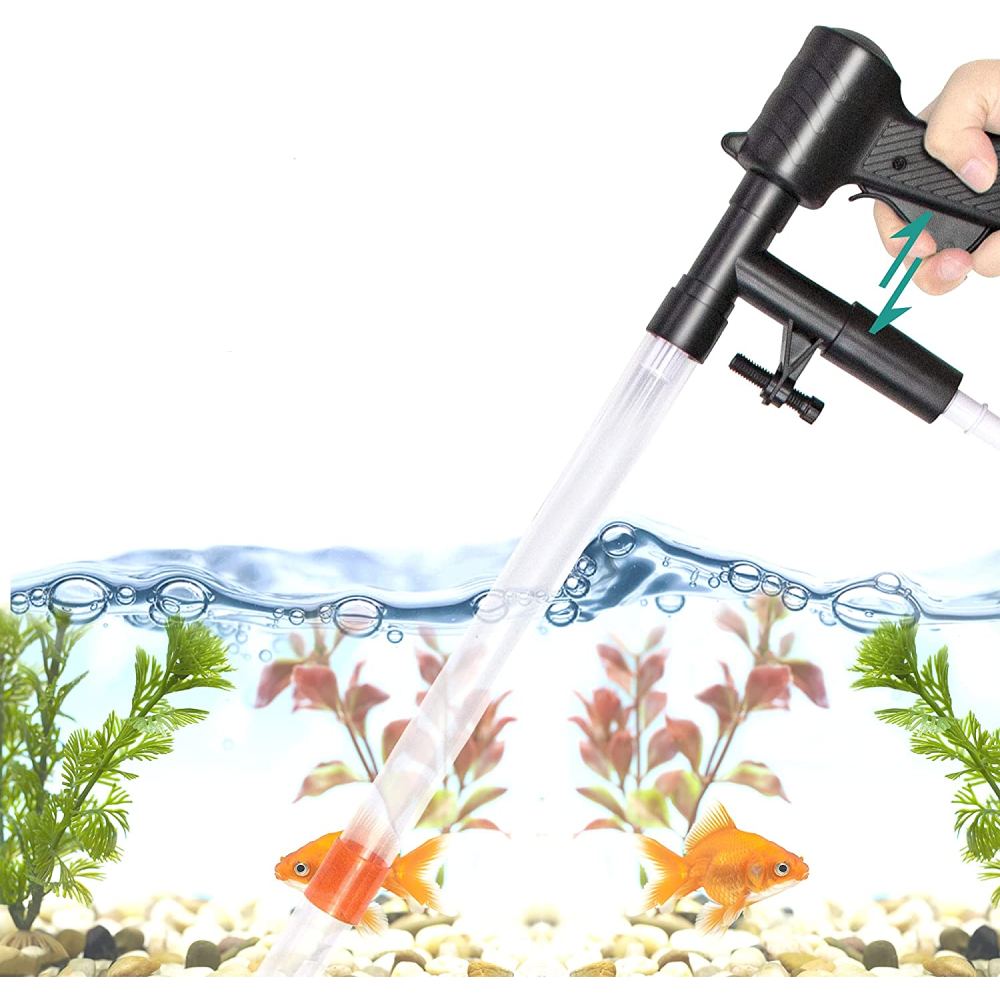
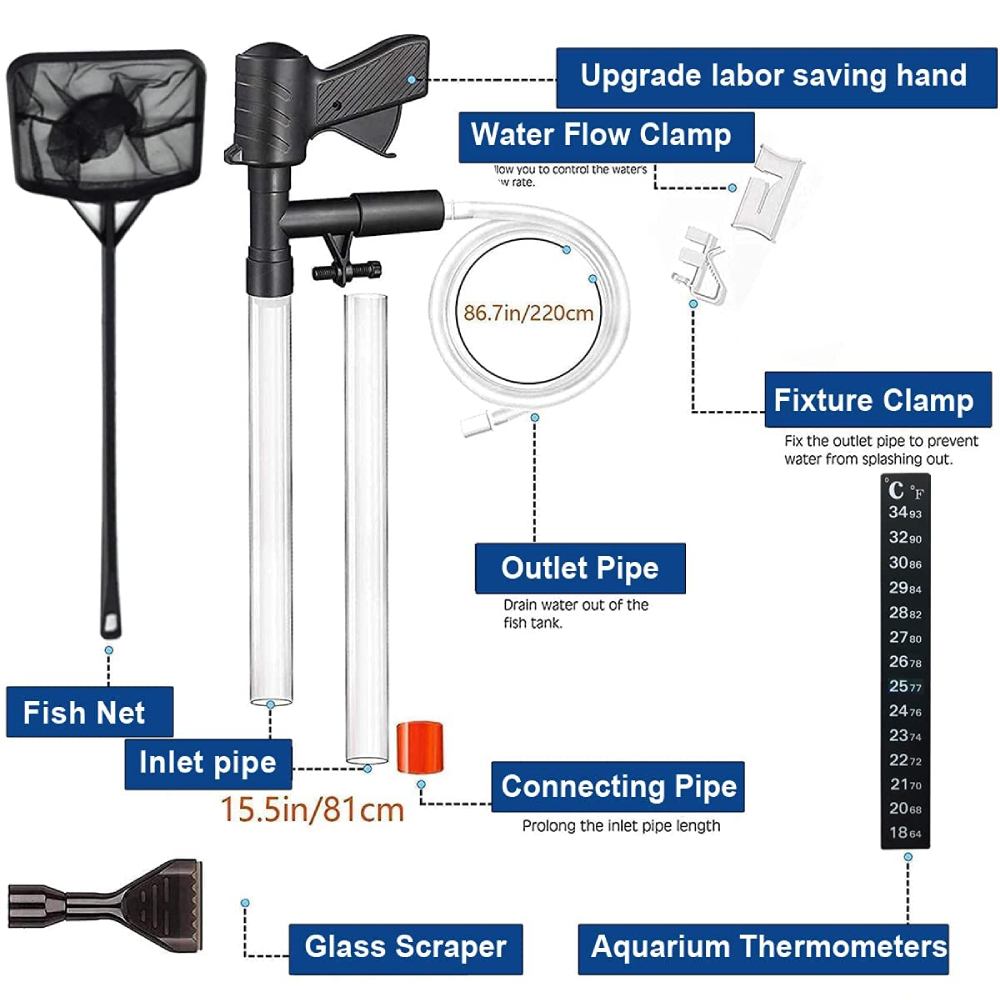
These manual tools use a simple siphoning action to remove debris and water simultaneously. Features include:
- Hand-Primed Flow: Start the siphon by shaking or squeezing a primer bulb.
- Adjustable Flow Control: Some models offer valves to modulate suction strength.
- Transparent Tubing: Allows you to monitor water clarity during cleaning.
Electric Gravel Cleaners
Powered vacuums automate water removal and debris extraction. Benefits include:
- Continuous Flow: No priming needed; simply switch on and off.
- High Suction: Quickly clears heavily soiled substrates.
- Variable Nozzles: Interchangeable heads for sand, gravel, or large pebbles.
Gravel Suction Filters
These hybrid devices combine filtration and substrate cleaning. Characteristics include:
- In-Tank Installation: Acts as a powerhead, drawing water through the substrate.
- Continuous Filtration: Ideal for low-maintenance setups.
- Multi-Stage Media: Can integrate carbon or bio-media for added purification.
Algae Brush and Pebble Scrubbers
While not vacuums, specialized brushes remove algae and debris from larger stones. They excel in:
- Targeted Cleaning: Perfect for decorative river rocks and large slate pieces.
- Manual Control: Avoids disturbing surrounding plants and décor.
Key Features to Look for in the Best Fish Tank Rock Cleaning Tool
When choosing a substrate vacuum or scrubber, consider these crucial factors:
- Suction Power: Strong enough to remove waste without sucking up gravel.
- Tubing Length: Sufficient to reach from tank to drain or bucket without spills.
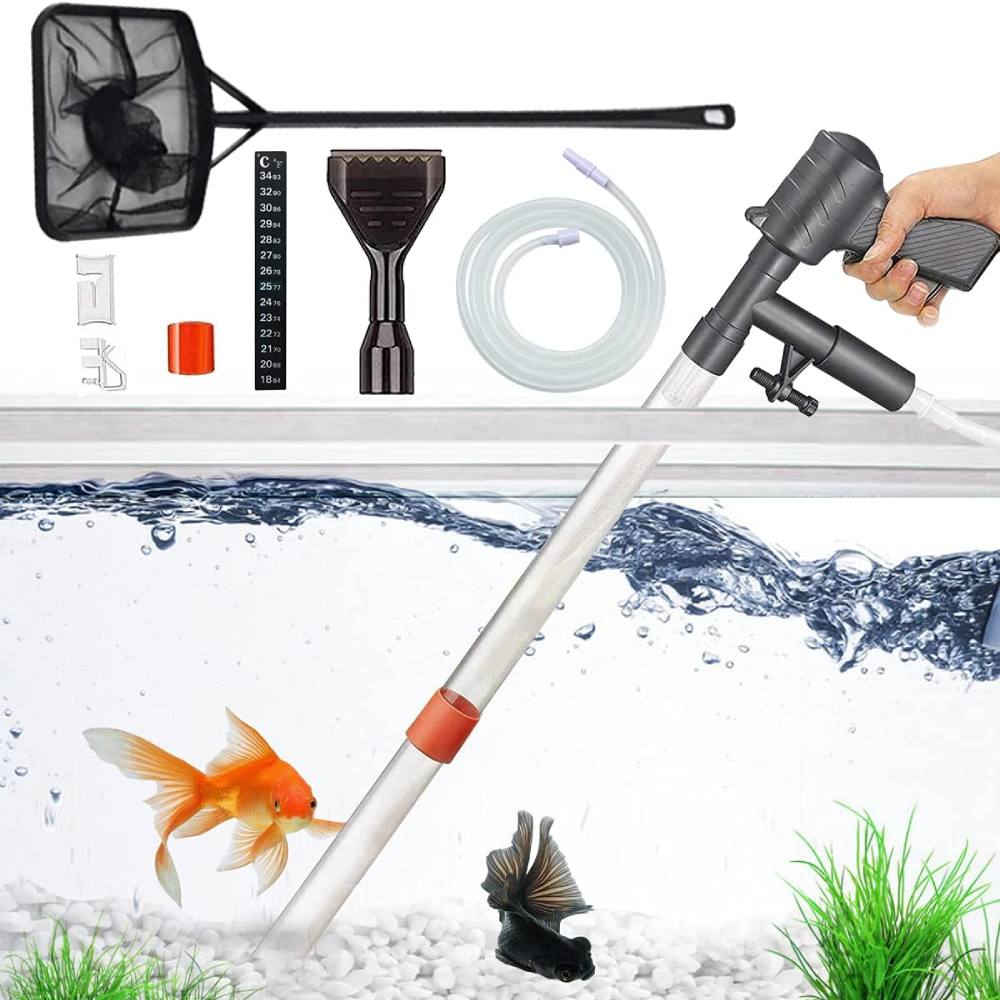
- Nozzle Size: Interchangeable heads for small pebbles, coarse gravel, or sand.
- Ease of Priming: Manual pumps or squeeze bulbs that start siphons effortlessly.
- Material Quality: Durable plastics or reinforced hoses resist kinks and algae staining.
- User Comfort: Ergonomic handles and lightweight designs prevent fatigue during extended cleaning.
Top 5 Best Aquarium Gravel Cleaner Picks
After testing multiple models in various tank sizes and substrates, we recommend these as the industry’s most effective best aquarium gravel cleaner solutions:
1. AquaSiphon Pro Vacuum Kit
- Type: Manual siphon with primer bulb
- Nozzle: Wide-mouthed head for large pebbles; includes narrow tip for tight spots
- Tubing: 8 feet of transparent, kink-resistant hose
- Why We Love It: Unmatched flow rate and versatile nozzle options make it the best fish tank pebble cleaner for medium to large aquariums.
2. HydroClean Electric Gravel Vacuum
- Type: Submersible motorized pump
- Flow Control: Adjustable dial for delicate substrates or heavy debris
- Attachments: Three heads for sand, fine gravel, and decorative rock
- Why We Love It: Hands-free operation and rapid cleaning rate make it an excellent best fish tank rock cleaning tool for busy hobbyists.
3. BioClean Gravel Filter Module
- Type: In-tank suction filter
- Media: Replaceable sponge and bio-ceramic rings
- Flow Rate: 400 GPH for small to medium tanks
- Why We Love It: Dual-purpose design cleans substrate continuously while bolstering biological filtration.
4. AlgaeMaster Stone & Pebble Brush Set
- Type: Dual-sided brushes (stiff bristles and soft pads)
- Handle: Extendable rod up to 18 inches
- Why We Love It: Ideal for targeted scrubbing of decorative rocks; complements vacuums by dislodging stubborn algae.
5. NanoSiphon Mini Gravel Cleaner
- Type: Compact siphon for nano tanks
- Length: 4 feet of flexible tubing
- Nozzle: Small-diameter head prevents gravel loss in delicate setups
- Why We Love It: Tailored for desktop aquariums and small fish bowls, making it the go-to best fish tank pebble cleaner for compact environments.
Step-by-Step Guide: How to Use a Gravel Vacuum
Achieve optimal results by following this methodical approach:
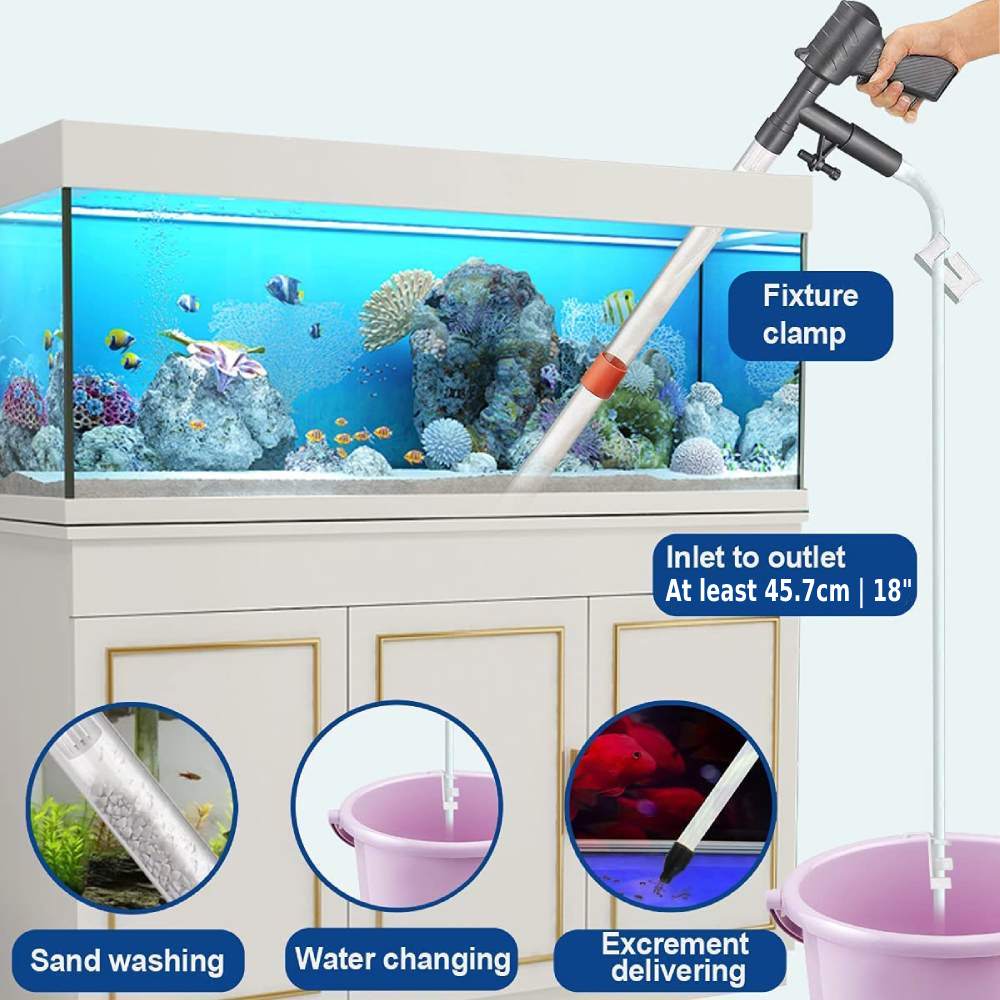
- Prepare Your Supplies: Position a bucket or drain hose next to the tank and gather your cleaner.
- Prime the Siphon: If manual, pump the primer bulb or submerge and shake the tubing to fill it with water.
- Insert Nozzle: Push the head gently into the gravel at a 45° angle to avoid disturbing plants.
- Vacuum in Sections: Work in small areas, sucking up debris until water runs clear, then move on.
- Monitor Water Level: Refill with conditioned water to maintain stability once you’ve removed 20, 30% of tank volume.
- Clean the Tubing: After finishing, rinse the hose thoroughly to prevent buildup and algae growth.
Choosing the Right Cleaner for Your Substrate
Your ideal tool depends on the type of substrate and tank size:
- Coarse Gravel: Use wide-mouth nozzles and moderate suction to avoid gravel loss.
- Fine Sand: Low-flow pumps or sand-specific heads prevent sand extraction.
- Large Decorative Stones: Pair a brush set with a manual siphon to dislodge debris before vacuuming.
- Planted Tanks: Work carefully around roots, using gentle primer pulses to avoid uprooting plants.
Maintaining Your Gravel Cleaner for Longevity
Keep your equipment in top shape by following these care tips:
- Rinse After Use: Flush tubing and nozzles with warm water to remove organic residue.
- Inspect for Wear: Check hoses for cracks and replace primer bulbs annually.
- Store Dry: Hang hoses and nozzles to air dry; avoid coiling wet tubing that can trap moisture.
- Service Electric Motors: Lubricate moving parts as per manufacturer guidelines to prevent seizing.
- Replace Media: For filter modules, clean sponges monthly and change bio-media every six months.
Common Mistakes and How to Avoid Them
Even experienced hobbyists can slip up. Avoid these pitfalls:
- Over-Cleaning: Excessive vacuuming removes beneficial bacteria; limit to 20, 30% substrate cleaning per session.
- Too Strong Suction: High-flow pumps can displace fine sand and small gravel.
- Neglecting Plants: Stripping substrate too aggressively uproots plant roots and disturbs the ecosystem.
- Inconsistent Water Quality: Always top off with dechlorinated water matching tank temperature and chemistry.
How often should I use my aquarium gravel cleaner?
For most tanks, vacuuming the substrate every 2, 4 weeks maintains water quality without disturbing established beneficial bacteria colonies.
Can I use a siphon in a planted tank?
Yes, use low-intensity priming and focus on open areas between plant clusters to avoid uprooting sensitive root systems.
What’s the difference between sand and gravel vacuums?
Sand-specific cleaners have finer nozzles and gentler suction settings to prevent sand loss, whereas gravel vacuums use wider heads and stronger flow.
Will vacuuming remove my biological filter bacteria?
Proper technique, cleaning in sections and preserving some detritus, ensures sufficient bacteria remain to maintain the nitrogen cycle.
How do I clean decorative river rocks?
Remove them and scrub with a brush outside the tank, or use a stiff algae brush kit before returning them to the aquarium.
Conclusion
A cleaner substrate is the foundation of a healthy, thriving aquarium. By choosing the best aquarium gravel cleaner, whether it’s a manual siphon like the AquaSiphon Pro or an automated system such as the HydroClean Electric Vacuum, you ensure efficient debris removal and stable water conditions. Pair your vacuum with a high-quality best fish tank rock cleaning tool to tackle algae-prone stones, and maintain your equipment diligently for years of reliable performance. With the right tools, a thoughtful routine, and attention to detail, your aquatic environment will dazzle with clarity and vitality.