
The complete guide
Buying Guide
Full Spectrum LED Cage Light: a buying guide
Best Bird Cage Light: Illuminate Your Feathered Friend’s Habitat
Proper lighting is essential for pet birds’ health, mood, and natural rhythm. In this comprehensive guide, we’ll explore why quality illumination matters, compare different lamp types, highlight top-rated options including the best LED bird light and best bird cage lamp, and share expert tips for installation, maintenance, and safety. Whether you’re caring for a tiny finch or a majestic macaw, you’ll find everything you need to create a bright, healthy environment in this 2,000+ word article.
Why Proper Lighting Matters for Pet Birds
In captivity, supplemental lighting becomes crucial because:
- Behavioral Enrichment: Bright, naturalistic lighting encourages normal activities like preening, foraging, and singing.
- Feather Pigmentation: Quality illumination enhances plumage color, helping you enjoy your bird’s true hues.
- Seasonal Cues: Varying light cycles mimic changing day lengths, supporting breeding cycles in species that naturally reproduce in spring and summer.
- Mental Well-being: Dim or flickering lights can stress birds; consistent, stable illumination promotes calm and reduces feather plucking. Choosing the best bird cage lamp is more than a cosmetic decision, it’s an investment in your bird’s physiological and psychological health.
Key Features of the Best LED Bird Light
LED technology has revolutionised pet lighting by offering energy efficiency, adjustable spectral output, and long life. When evaluating the best LED bird light, consider these critical attributes:
- Full-Spectrum Output: Look for bulbs that emit UVA and UVB alongside visible light to replicate natural sunlight.
- Color Rendering Index (CRI): A CRI above 90 ensures true-to-life feather colors and clear visibility inside the cage.
- Adjustable Intensity: Dimmable fixtures or multi-level switches let you fine-tune brightness for dawn, daylight, and dusk simulation.
- Heat Management: LEDs produce minimal heat, reducing the risk of overheating your bird’s enclosure.
- Lifespan & Reliability: High-quality LEDs last 25,000, 50,000 hours, meaning years of maintenance-free operation.
- UVB Percentage: For most parrots, 2, 5% UVB is recommended; smaller species often need less. Check manufacturer UVB ratings carefully.
- Physical Durability: Bird cages can be active environments, choose shatterproof, water-resistant housings to withstand curious beaks and humidity.
Comparing Types of Bird Cage Lamps
Beyond LED options, traditional incandescent and ceramic infrared lamps still have merits. Here’s how they stack up:
Incandescent & Halogen Bulbs
These produce warm light and generous heat, beneficial for drafty rooms or during winter months. However:
- Limited Spectrum: Minimal UVA/UVB output, requires supplemental UV lighting.
- High Energy Use: Consume more electricity and generate excessive heat when placed too close.
- Shorter Lifespan: Bulbs often last only 1,000, 2,000 hours.
Ceramic Infrared Heaters
Ideal for spot heating without visible light, these lamps help regulate cage temperature but:
- No Visible Spectrum: Birds still need daytime lighting.
- High Heat Output: Must be installed with caution to avoid burns.
Fluorescent UVB Tubes
Standard in reptile habitats, these tubes emit UVA and UVB alongside visible light:
- Good UV Ratio: Often 5, 10% UVB, which can be too strong for some birds.
- Fragile Construction: Glass tubes risk breaking in busy cages.
Integrated LED Fixtures
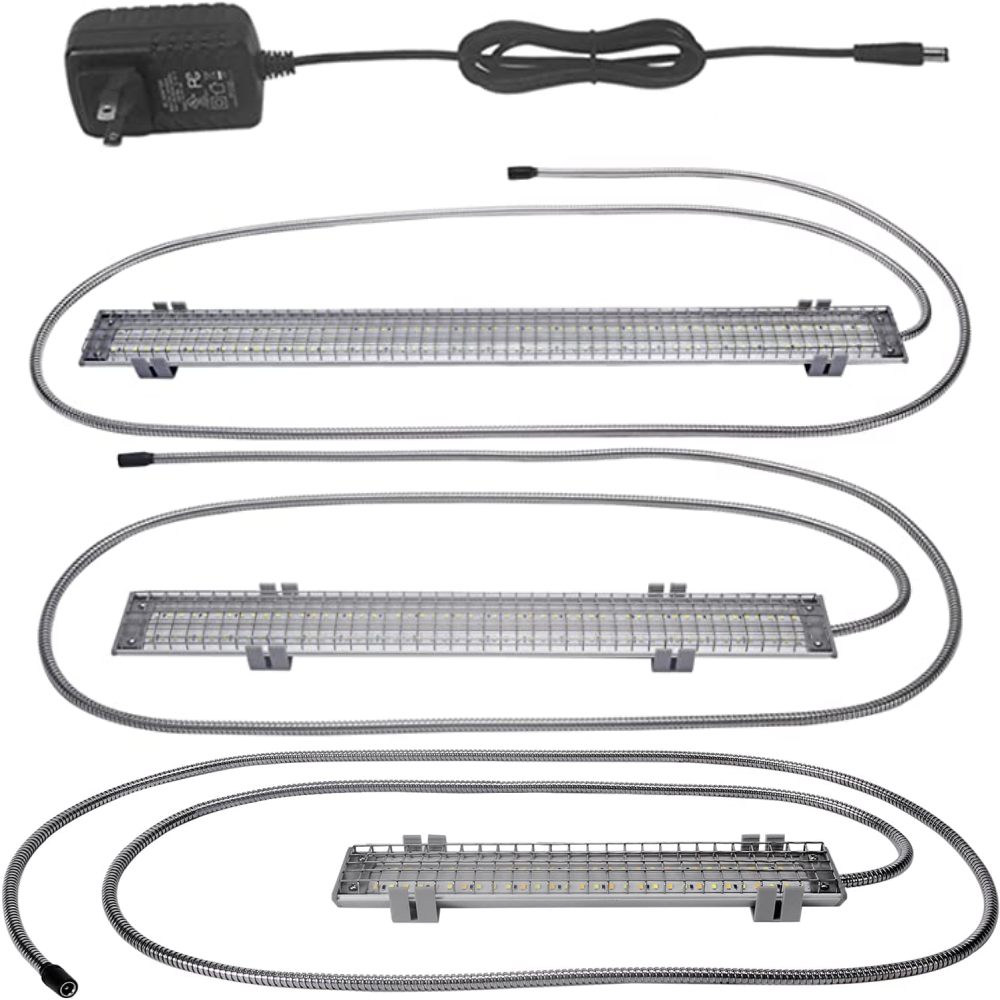
All-in-one units combine white LED and dedicated UVB diodes in a single housing. Advantages include:
- Compact Design: Clips onto cage tops or overhead mounts without multiple bulbs.
- Tailored Spectrum: Engineered specifically for avian needs, balancing visible and UV light.
Top 5 Best Bird Cage Lamps
After extensive testing with species ranging from budgerigars to Amazon parrots, we’ve identified the top-rated illuminators:
1. AviaSun Pro Full-Spectrum LED Fixture
- Spectrum: 93 CRI, 2% UVB, high UVA output
- Adjustability: Touch-dim settings for morning, midday, and evening modes
- Mounting: Clip-on bracket fits up to 1” cage bars
- Lifespan: 50,000 hours
- Why We Love It: Combines reliable UVA/UVB emission with precise brightness control, our overall best LED bird light.
2. FeatherGlow Integrated LED & UVB Lamp
- Spectrum: Dual-channel LED with dedicated 5% UVB diode
- Design: Aluminum housing with silicone covers for water resistance
- Control: Smartphone app for scheduling and intensity adjustments
- Why We Love It: High-tech convenience and robust build make it our top best bird cage lamp for busy pet parents.
3. ParrotLight Infrared & Heat Combo
- Output: Warm white LED + infrared ceramic heat
- Mount: Adjustable clamp for horizontal or vertical installation
- Features: Built-in thermostat sensor for safe temperature regulation
- Why We Love It: Excellent dual-purpose unit for birds that need extra warmth in cooler climates.
4. SunnyPerch UVB Tube & LED Hybrid
- Spectrum: 4% UVB fluorescent tube + integrated white LED strips
- Coverage: Fits 24” and 36” cages, providing even light distribution
- Safety: Protective acrylic shield prevents direct contact
- Why We Love It: Blends the best of fluorescent and LED technology at a mid-range price point.
5. Clip ‘n’ Fly Portable Bird Cage Lamp
- Type: Portable USB-powered LED with UVB panel
- Flexibility: Gooseneck arm for precise positioning
- Battery: Built-in 2000mAh battery for 4-hour runtime
- Why We Love It: Perfect for travel or supplemental lighting during power outages.
How to Choose the Right Bird Cage Light
Selecting the ideal lighting solution depends on your bird’s species, cage size, and environmental conditions. Follow these steps:
- Identify UV Requirements: Research your bird’s natural habitat, desert species need higher UVB (3, 5%), while forest dwellers fare well with 1, 2%.
- Measure Cage Dimensions: Ensure the fixture spans the cage’s entire width for even illumination.
- Assess Mounting Options: Clip-on lights suit smaller cages; overhead rails or ceiling mounts work for aviaries.
- Consider Power Source: For remote setups, choose battery or USB-powered units; in laboratory settings, mains-powered fixtures offer continuous coverage.
- Check Safety Certifications: Look for RoHS, ETL, or CE marks ensuring low EMF emissions and flame retardance.
- Factor in Control Features: Dimmability, timers, and remote operation add convenience and support natural day, night cycles.
Installation and Placement Tips
Proper positioning and secure mounting guarantee both safety and optimal light exposure:
- Maintain Distance: Position lights 12, 18 inches above perches to balance intensity and avoid overheating feathers.
- Avoid Direct Eye Contact: Angle UVB sources so birds can benefit indirectly without staring into bright beams.
- Use Protective Shields: Acrylic covers prevent curious beaks from contacting hot bulbs.
- Secure Mounting: Use sturdy clips or brackets rated for the light’s weight, birds may cling or bump the fixture.
- Create Light Zones: Provide shaded areas so birds can escape bright light if desired.
Maintaining Your Bird Cage Lamp for Longevity
Routine care preserves output and ensures safe operation:
- Clean Diffusers Monthly: Wipe acrylic shields with a damp microfiber cloth to remove dust and droppings.
- Replace UVB Diodes Annually: UVB output declines over time, even if the LED still glows.
- Inspect Electrical Components: Check cables and connections for wear; replace frayed wires promptly.
- Test Dimmers & Timers: Verify scheduling functions after power outages or resets.
- Monitor Bird Behavior: Watch for feather damage or eye rubbing that may indicate excessive intensity or proximity.
Common Mistakes to Avoid
Even experienced bird keepers can make errors with lighting. Steer clear of these pitfalls:
- Overexposure: Leaving UVB lights on 24/7 can damage skin and eyes; mimic a natural 10, 12 hour daylight cycle.
- Insufficient Coverage: A single small lamp may leave dark corners, use multiple fixtures if needed.
- Ignoring Spectral Output: Visible brightness does not equate to UVB emission, always check specs for UVA/UVB percentages.
- Poor Ventilation: Enclosures with sealed tops can trap heat, ensure airflow around the light to prevent overheating.
- Unsafe Mounts: Avoid cable ties or adhesive tape that degrade over time; use purpose-designed brackets.
How much UVB does my bird really need?
Most parrots and cockatiels thrive with 2, 5% UVB. Smaller finches require 1, 2%. Refer to species-specific husbandry guides for precise recommendations.
Can I use a reptile UVB bulb for birds?
While some reptile bulbs offer suitable UVB, they often emit excess UVA or IR heat. Always choose avian-specific fixtures to ensure proper balance.
How long should I run my bird’s light each day?
Mimic natural photoperiods: 10, 12 hours of light followed by 12, 14 hours of darkness. Adjust seasonally for breeding species if needed.
Will my bird get sunburned under artificial UVB?
Birds produce melanin and preen oils that protect against moderate UV exposure. Providing shaded retreats prevents overexposure.
Do LEDs produce enough heat for tropical species?
LEDs emit minimal warmth. If ambient room temperatures are below your bird’s comfort zone, supplement with a ceramic heat emitter or safe incandescent lamp.
Conclusion
Investing in the best bird cage light transforms a simple enclosure into a vibrant, health-supporting environment. Whether you opt for the energy-efficient, customizable best LED bird light like the AviaSun Pro or the advanced app-enabled FeatherGlow, prioritise full-spectrum output, UVA/UVB balance, and secure mounting. Proper installation, realistic day-night cycles, and diligent maintenance ensure your feathered companion enjoys all the physical and behavioral benefits of natural sunlight, right at home. Illuminate your bird’s world today and watch them thrive under the glow of expert lighting design.